Nataliya Uboha, MD, PhD: Safety Outcomes of the MATTERHORN Regimen

Dr. Uboha explores the potential toxicities related to the MATTERHORN regimen—neoadjuvant durvalumab + FLOT followed by adjuvant durvalumab—in patients with resectable gastric cancer/gastroesophageal junction cancer (GC/GEJC). She stresses that clinicians should remain cognizant of potential toxicities of FLOT, such as neuropathy associated with oxaliplatin and docetaxel, as well as durvalumab. Additionally, Dr. Uboha discusses when dose modifications may be necessary.

MORE EXPERT PERSPECTIVES IN GASTOINTESTINAL CANCERS:

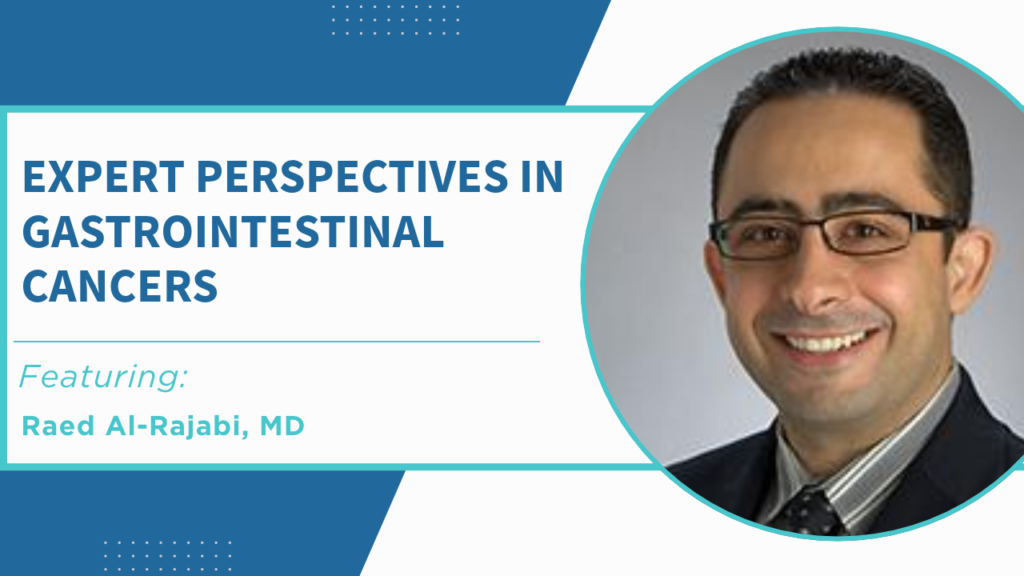
Raed Al-Rajabi, MD: STRIDE Regimen Safety in HCC

R. Katie Kelley, MD: Why Choose Durvalumab + Tremelimumab for the Treatment of uHCC?

Samuel Klempner, MD: The Role of the MATTERHORN Regimen in Resectable GC/GEJC

Dr. Samuel Klempner reviews key data from the MATTERHORN trial, which showed the benefit of perioperative durvalumab plus FLOT in the treatment of resectable gastric cancer/gastroesophageal function cancer. Dr. Klempner highlights EFS and OS gains with the MATTERHORN regimen, and briefly explores its role in clinical practice.

Haley Ellis, MD: Updated Efficacy Data from the TOPAZ-1 Clinical Trial

Learn how durvalumab plus gemcitabine/cisplatin improved long-term survival in the TOPAZ-1 trial, including new four-year overall survival data.

Midhun Malla, MD: Real-World Evidence and Emerging Frontline Therapies for Advanced Hepatocellular Carcinoma

Dr. Midhun Malla discusses the evolving treatment landscape for advanced unresectable hepatocellular carcinoma (HCC), highlighting the positive outcomes of the Phase 3 HIMALAYA trial and the STRIDE regimen of tremelimumab and durvalumab. He emphasizes that real-world evidence increasingly supports these novel immune checkpoint inhibitor combinations, while noting that ongoing trials like Sierra and LIVER-R are essential for evaluating their safety and efficacy in broader, more complex patient populations.